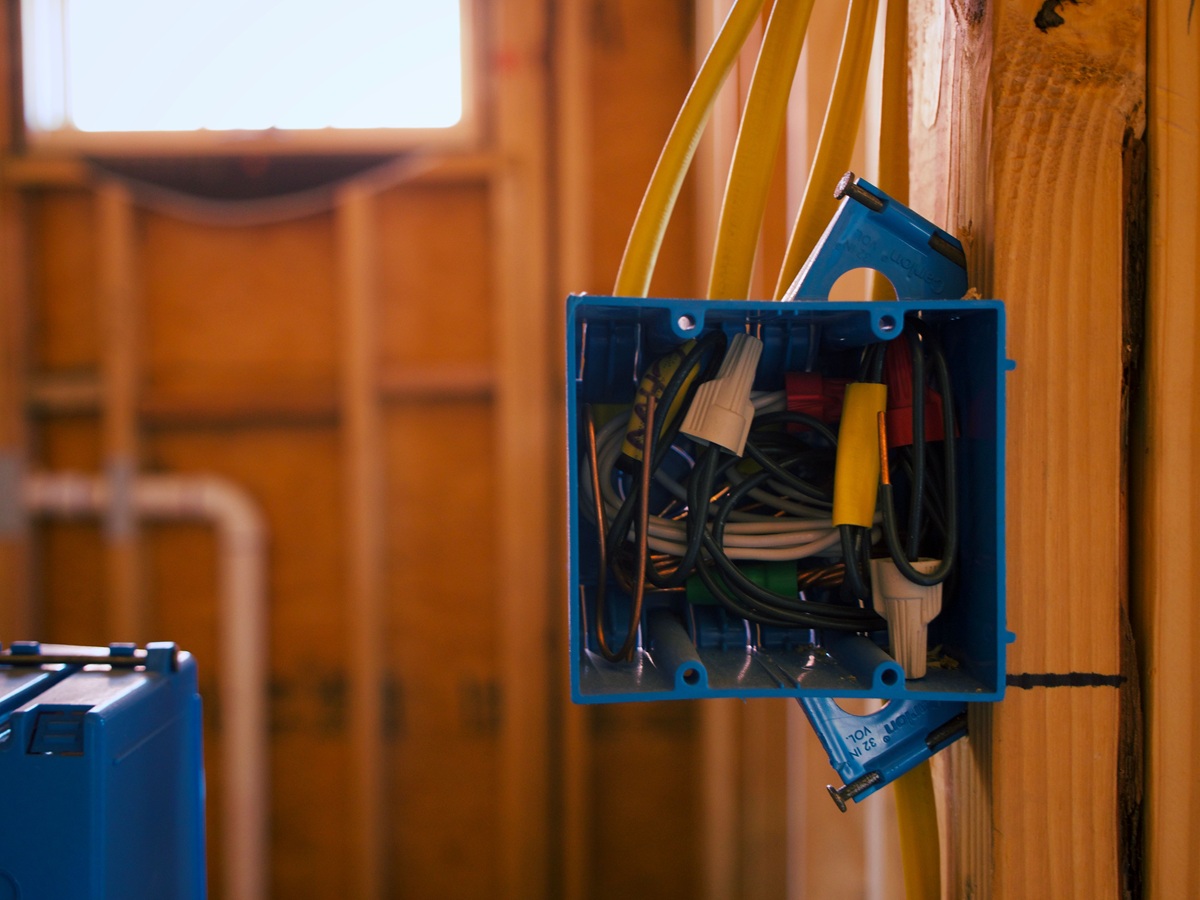
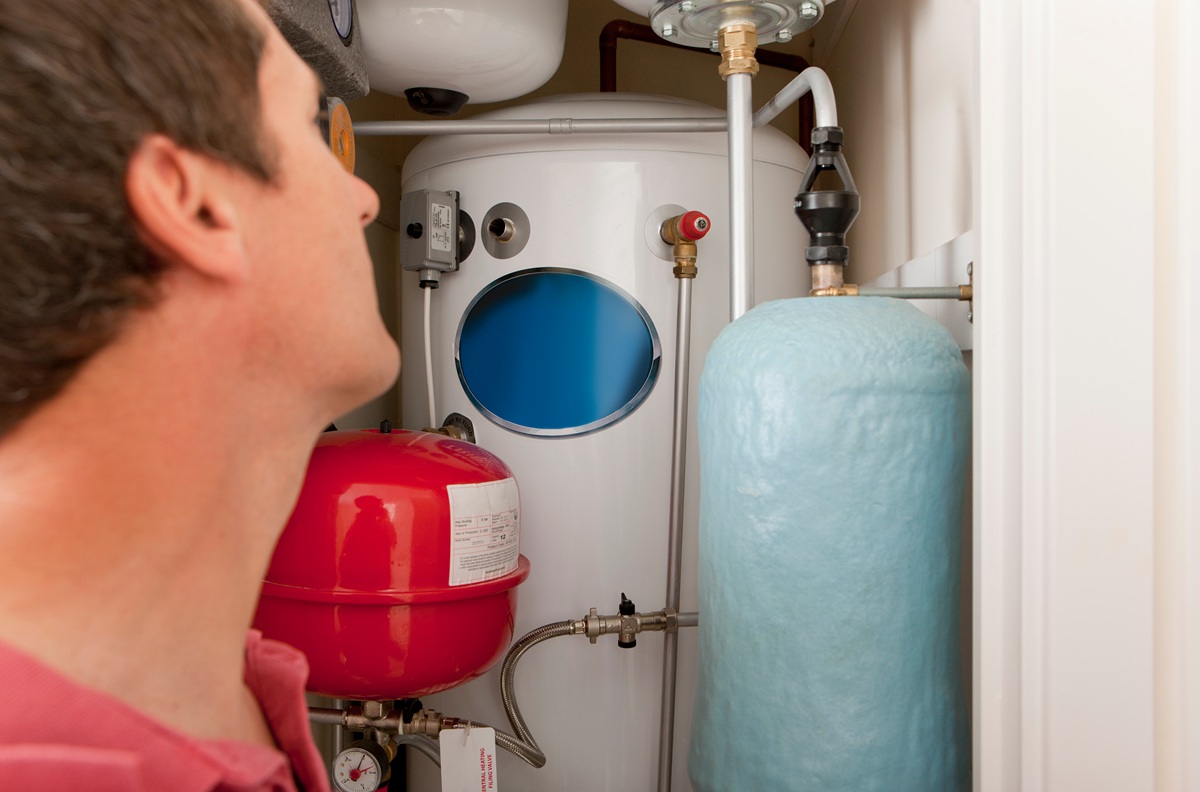
When it comes to insuring your home, you might be surprised to learn that the type of plumbing running through your walls can have a major impact on your homeowners insurance quote. In Florida, where water damage claims are a significant concern for home insurance companies, your home’s plumbing system, and more specifically, what the pipes are made of, can affect property eligibility and the insurance options available.
What type of plumbing does your home have?
This is a major question that homeowners tend not to have an immediate answer for, but it’s important to know, especially if you live in an older home.
Copper: For many decades, copper pipes were the industry standard. Valued for their durability and resistance to corrosion, copper systems can last 50 years or more. From an insurance standpoint, homes with well-maintained copper plumbing are generally viewed favorably, as they present a lower risk of leaks and water damage. However, even copper can develop pinhole leaks over time, especially in areas with hard water (a common concern in some parts of Florida).
PVC (Polyvinyl Chloride): PVC pipes are lightweight, cost-effective, and corrosion-resistant. They’re primarily used for drain, waste, and vent (DWV) systems and cold water lines. While highly durable for these applications, PVC is typically not used for hot water supply due to temperature limitations. When assessing your home, insurers generally consider PVC for drainage systems to be low-risk, provided it’s installed correctly and shows no signs of damage.
PEX (Cross-linked Polyethylene): PEX piping is a flexible plastic tubing that has gained immense popularity in recent decades, particularly in new construction and re-piping projects. PEX resists corrosion, but its age, condition, installation, and fittings still matter. Some carriers restrict older PEX systems, including certain pre-2010 installations. Ask about the specific carrier’s guidelines.
Galvanized steel: Common in homes built before the 1960s, galvanized steel pipes are steel pipes coated with zinc. While initially durable, this zinc coating degrades over time, leading to internal corrosion, rust buildup, reduced water pressure, and ultimately, leaks. Florida home insurance quotes for homes with original galvanized plumbing can be difficult to get. The new business guidelines that insurers use mean they’ll often decline coverage or mandate complete re-piping due to the high risk of major failure and subsequent water damage claims.
Polybutylene (PB): This plastic resin piping was widely used from the late 1970s to the mid-1990s. Despite its initial popularity, polybutylene was found to degrade when exposed to chlorine and other common water disinfectants, leading to brittleness, cracking, and sudden, severe leaks. If your Florida home has polybutylene plumbing, securing standard home insurance quotes can be difficult. Many carriers restrict new business for homes with polybutylene and may require replacement. Eligibility and any water damage limitations depend on the carrier and policy.
If you’ve purchased your home recently, you’ll most likely have a detailed report that specifies the type and condition of your plumbing. If not, a four-point inspection may help document accessible plumbing materials and condition. Inspection requirements and home-age thresholds vary by carrier, and concealed piping may require further evaluation. If you haven’t had a recent inspection or are unsure about your plumbing, it’s a good idea to schedule an inspection with a licensed professional.
Compare Florida homeowners insurance options

There are a lot of factors home insurance companies need to consider when binding a policy, and plumbing pipe types are a key variable. At Home Insurance Florida, we can review your plumbing documentation and help you compare options available from multiple carriers. A qualified inspector or plumber can identify the materials and condition. Get in touch with the Home Insurance Florida team to compare options available for your home.
Contact Home Insurance Florida
About Home Insurance Florida
We work with multiple carriers to help Florida homeowners compare available options. We explain how property condition, inspections, and carrier guidelines may affect eligibility and coverage choices. Contact Home Insurance Florida, for guidance from a Florida-licensed insurance agent on options available for your home.