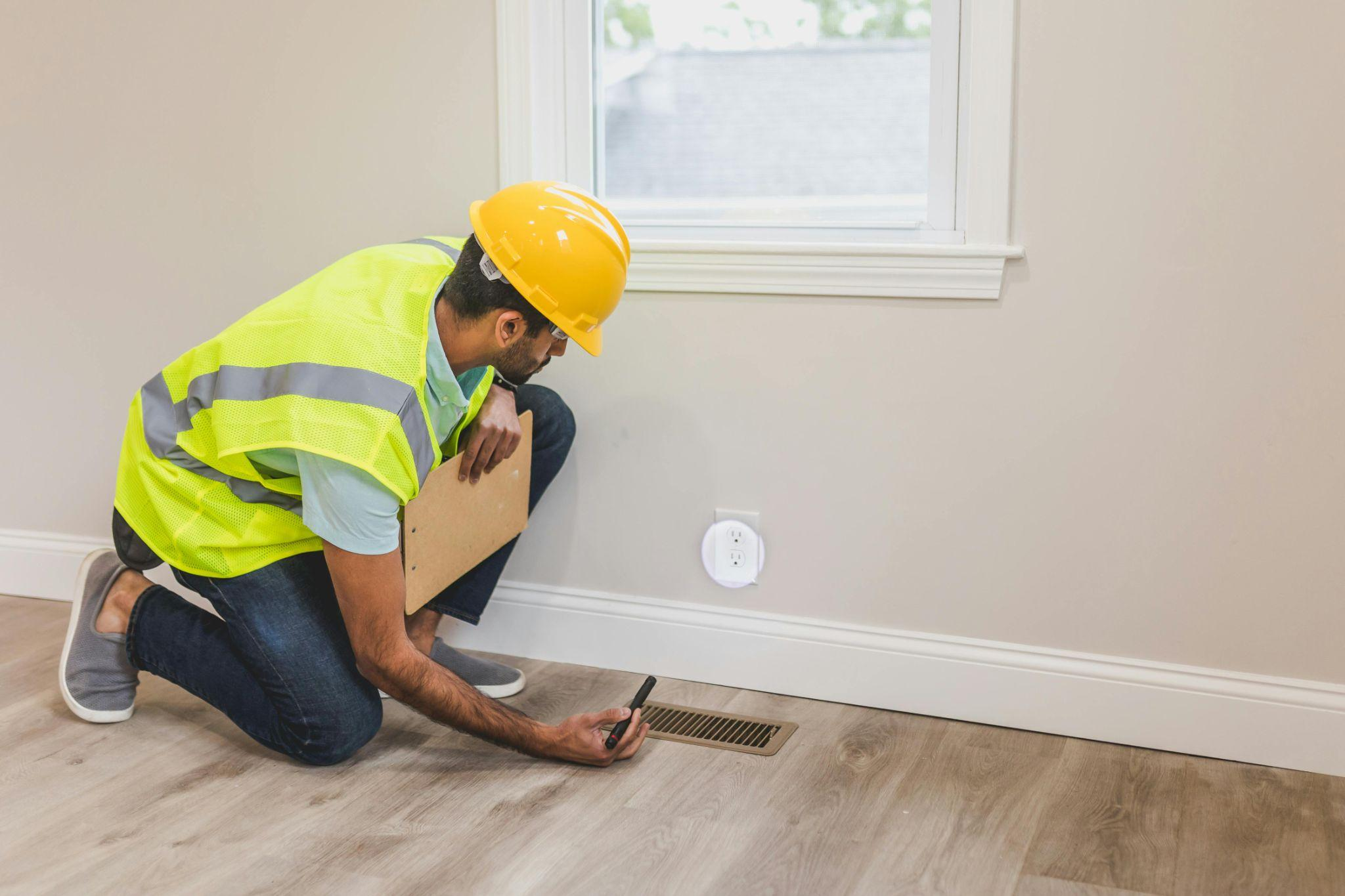
If you own a home in Florida, a wind mitigation inspection can play an important role in determining the wind mitigation discounts applied to your homeowners insurance.
But what exactly does a wind mitigation inspection look at, and how can the different features of your home affect your insurance?
Here are some of the main areas documented during a Florida wind mitigation inspection.

What Is a Wind Mitigation Inspection?
A wind mitigation inspection documents specific construction features of a home that may help it withstand strong winds.
Insurance companies use information from the inspection to determine which wind mitigation discounts apply to the home.
Having a wind mitigation inspection does not automatically mean a homeowner will receive every available discount. The discounts depend on the features documented on the inspection, and the amount of the discount can vary by insurance carrier.
Roof Covering
One of the areas documented on a wind mitigation inspection is the home’s roof covering.
The inspection includes information about the type of roof covering and information related to when the roof was installed or permitted.
Documentation can be important. A roof permit or other supporting records may help establish information about the roof that is needed for the inspection.
Roof Deck Attachment
The roof deck attachment refers to how the roof sheathing or decking is mechanically secured to the structural framing underneath it.
The inspector documents factors such as the type and size of fasteners and how they are spaced.
Different types and sizes of nails may be documented.
The size and spacing of the fasteners can affect the wind mitigation credit the home qualifies for.
This is one reason two homes that look very similar from the outside can have different wind mitigation results.
Roof-to-Wall Connection
Another important part of the inspection is the roof-to-wall connection.
This identifies how the roof structure is attached to the walls of the home.
Depending on the construction of the property, the inspection may document connections such as:
- Toe-nails
- Clips
- Single wraps
- Double wraps
- Structurally attached roof systems
The type of connection documented on the inspection can affect the wind mitigation credit applied by the insurance carrier.
Roof Shape and Roof Slope
The inspection also documents the shape of the roof.
Roof shape is one of the characteristics used when determining applicable wind mitigation credits.
The Florida wind mitigation form revised for inspections performed on or after April 1, 2026 (OIR-B1-1802, Rev. 04/26) also documents roof slope.
Secondary Water Resistance (SWR)
Another feature that may appear on a wind mitigation inspection is Secondary Water Resistance, commonly referred to as SWR.
Secondary Water Resistance refers to qualifying sealed-roof-deck measures or systems documented under the applicable inspection form, rather than every type of roof underlayment.
When the material and installation meet the applicable criteria and are properly documented, the home may qualify for an additional wind mitigation discount.
Homeowners should not assume that every underlayment automatically qualifies as SWR for insurance purposes. The inspector must determine and document the qualifying feature.
Opening Protection
Opening protection is one of the most commonly misunderstood areas of a Florida wind mitigation inspection.
Opening protection can involve areas such as:
- Windows
- Exterior doors
- Garage doors
- Skylights
Qualifying protection may include approved impact-rated windows and doors or qualifying shutters.
An important distinction is that having some impact windows or shutters does not necessarily mean the home qualifies for the applicable opening-protection discount.
The required openings generally need to meet the qualifying protection requirements.
For example, replacing several windows with impact-rated windows while leaving other required openings unprotected may not be enough to qualify the home for the opening-protection credit.
This is why homeowners should look at what is actually documented on their wind mitigation inspection rather than assuming that having hurricane shutters or impact glass automatically results in the discount.

How Do Wind Mitigation Discounts Work?
A wind mitigation inspection documents the qualifying features of the home.
The insurance carrier determines applicable credits from documented qualifying features under its approved rating rules. Credits generally apply to the wind portion of the premium, rather than the entire policy premium. Individual discounts are not simply added together, and an inspection may not produce additional savings if applicable credits are already included.
The amount of those discounts can vary from one insurance carrier to another.
That means two insurance companies can review the same wind mitigation inspection and still produce different homeowners insurance premiums.
Wind mitigation is only one part of the overall insurance rating process. Other characteristics of the home and policy can also affect the final premium.
How Long Is a Florida Wind Mitigation Inspection Valid?
A Florida wind mitigation inspection may remain valid for up to five years, provided no material structural changes have occurred and no inaccuracies are found on the form.
Material structural changes or inaccuracies may require an updated report before that period ends. Ask your agent and an authorized wind mitigation inspector whether your report still accurately documents the property.
For example, an updated inspection may be worth considering after:
- Replacing the roof
- Installing qualifying impact windows or doors
- Adding qualifying shutters
- Making improvements to roof attachments or connections
- Completing other wind-mitigation improvements
An updated inspection allows the home’s current features to be documented.
Should You Get a Wind Mitigation Inspection?
For many Florida homeowners, particularly those with older homes, a wind mitigation inspection can be an important part of shopping for homeowners insurance.
The inspection can help an insurance company determine which wind mitigation discounts apply to the property.
If you already have an inspection, it’s also worth reviewing it to understand exactly what has been documented.
Pay particular attention to the roof covering, roof deck attachment, roof-to-wall connection, roof shape, secondary water resistance and opening protection.

Shopping for Florida Homeowners Insurance?
Wind mitigation discounts are one of many factors that can affect the cost of homeowners insurance in Florida.
At HomeInsuranceFlorida.com, we work with multiple insurance carriers and help Florida homeowners compare available homeowners insurance options.
If you already have a wind mitigation inspection, having a copy available when shopping for insurance can help make sure the documented features of your home are considered when obtaining quotes.
Visit HomeInsuranceFlorida.com or give us a call to compare available home insurance options.
Insurance information reviewed by Jose Friman, Florida-Licensed Insurance Agent
Every policy is different. Coverage, eligibility, underwriting requirements and wind mitigation discounts vary by insurance carrier. Refer to your policy and insurance carrier for specific coverage information.