Did You Know Solar Panels Could Affect Your Homeowners Insurance?
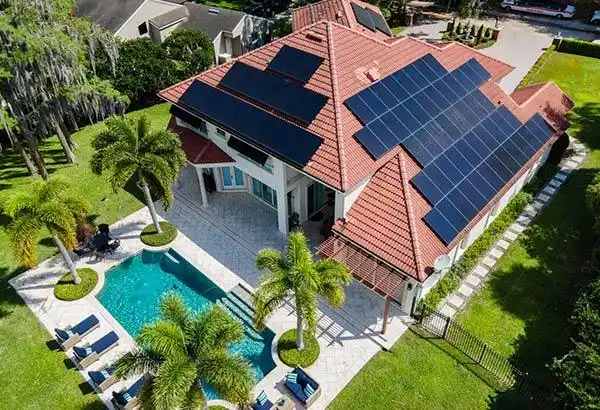
Solar panels are becoming increasingly popular among Florida homeowners. They can help generate electricity and may reduce dependence on traditional energy sources.
But did you know that having solar panels on your roof could affect your homeowners insurance options?
Some insurance companies may not accept homes with certain solar panel installations. Others may insure them, depending on the condition of the roof, the installation method, the type of solar system, and the company’s underwriting guidelines.
This doesn’t mean you cannot get homeowners insurance if you have solar panels. It means that not every insurance company has the same requirements.
Understanding these differences before installing solar panels—or shopping for insurance on a home that already has them—can help you avoid unexpected complications.
Watch our short video: Did You Know Solar Panels Can Affect Your Home Insurance?
Why Do Some Insurance Companies Not Accept Homes With Solar Panels?
Insurance companies evaluate several factors when determining whether a home qualifies for coverage.
Solar panels can introduce additional considerations, especially when installed on the roof.
Roof Condition and Age
Your roof is an important factor in determining homeowners insurance eligibility in Florida.
When solar panels are installed, insurance companies may want to know:
- How old is the roof?
- What type of roofing material is installed?
- What is the condition of the roof?
- Were the panels installed by a qualified contractor?
Some insurers have specific roof-age or condition requirements. Solar panels do not necessarily change those requirements.
If your roof needs replacement, removing and reinstalling the solar panels could also increase the complexity and cost of the project.
Hurricane and Wind Exposure
Florida homeowners face the possibility of hurricanes and severe storms.
Because rooftop solar panels are exposed to high winds, insurers may consider whether the installation meets applicable building codes and manufacturer requirements.
Improperly secured equipment can create concerns about damage to the panels, the roof, or other parts of the property.
Insurance companies may request installation documentation or other information to evaluate these risks.
Roof Penetrations and Potential Water Damage
Some solar panel mounting systems require attachments that penetrate the roofing material.
When installed correctly, these systems are designed to protect the roof from water intrusion.
However, improper installation, damaged flashing, or deteriorating seals may create opportunities for leaks.
Insurers may consider the condition and installation of rooftop equipment when evaluating the property.
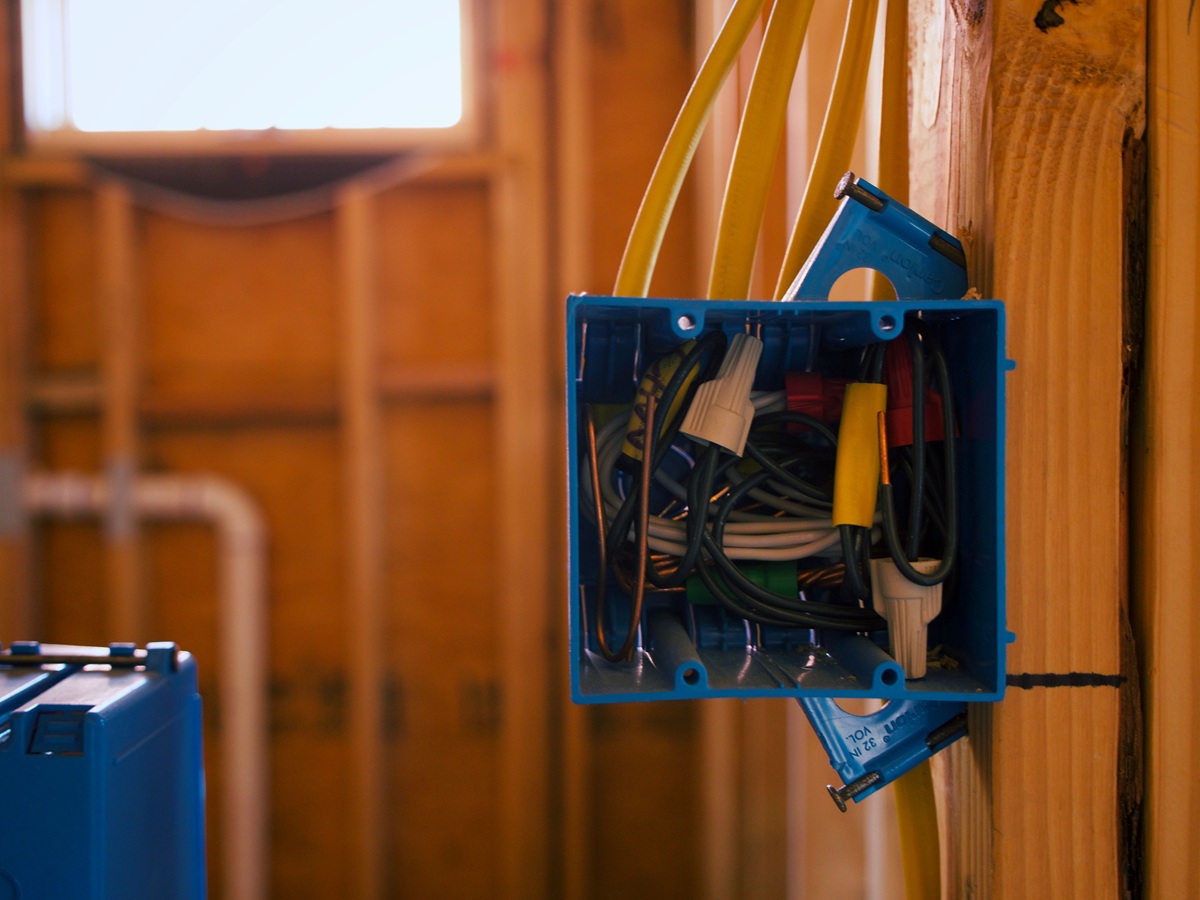
Electrical System Considerations
Solar panel systems include electrical components such as wiring, inverters, and disconnect equipment.
Depending on the installation, insurers may ask whether the system was properly permitted, inspected, and installed in accordance with applicable requirements.
An older electrical system or installation deficiencies could also affect underwriting eligibility.
Different Insurance Company Guidelines
One of the most important things Florida homeowners should understand is that insurance companies do not all follow the same underwriting guidelines.
One carrier may decline a particular solar panel installation, while another may consider the property after reviewing additional documentation.
The outcome can depend on the carrier, the home, the solar equipment, and the installation.
Are Solar Panels Covered by Homeowners Insurance in Florida?
Solar panels may be covered under a homeowners insurance policy, but coverage depends on the policy language, the ownership arrangement, and how the equipment is installed.
For example, a permanently attached, homeowner-owned solar panel system may be treated differently from leased equipment or a ground-mounted system.
Important questions include:
- Does the policy cover the solar panels?
- Are the panels included within the dwelling coverage or another coverage category?
- Are there any exclusions or special limitations?
- Does the coverage apply to hurricane or wind damage?
- Is additional coverage or an endorsement required?
Do not assume that solar panels are automatically covered simply because they are attached to your home.
Review the policy terms and discuss the system with your insurance agent.
Can Solar Panels Increase Your Homeowners Insurance Premium?
Possibly.
Solar panels may increase the cost of repairing or replacing certain parts of a home following a covered loss. Depending on how the system is insured, its value may affect the amount of coverage needed.
However, solar panels do not automatically mean that your homeowners insurance premium will increase.
Premiums depend on multiple factors, including:
- Insurance company pricing
- Property location
- Roof age and type
- Coverage limits and deductibles
- Solar panel system characteristics
- Other property-specific factors
Some homeowners may see changes in available coverage or pricing, while others may not.
Can an Insurance Company Deny Coverage Because of Solar Panels?
Yes. An insurance company may decline a new homeowners insurance application if the solar panel installation does not meet its underwriting guidelines.
That does not necessarily mean every insurer will decline the home.
If you already have homeowners insurance, adding solar panels could also prompt your insurer to review the property.
Whether the installation affects your existing coverage, renewal, or eligibility depends on the policy, carrier requirements, and applicable law.
Before installing solar panels, contact your insurance agent or company to find out what documentation or approval may be needed.
What Should Florida Homeowners Do Before Installing Solar Panels?
If you are considering solar panels, taking a few precautions can help you better understand the insurance implications.
- Contact your insurance agent first. Ask whether your current carrier accepts the proposed solar panel installation.
- Review your roof’s condition. Consider whether the roof may need repairs or replacement before installation.
- Use qualified installers. Confirm that required permits and inspections will be completed.
- Keep installation records. Save permits, inspection documents, equipment specifications, and warranties.
- Clarify ownership. Tell your agent whether the panels will be owned, financed, or leased.
- Review your coverage. Ask how the system will be insured and whether any changes are necessary.
These steps can help you identify potential insurance concerns before committing to the installation.
What If You Already Have Solar Panels and Need Homeowners Insurance?
If your home already has solar panels, you may still have homeowners insurance options.
Start by gathering basic information about the system, including the installation date, ownership arrangement, permits, and available inspection records.
An independent insurance agent can help you explore carriers that may consider homes with solar panels.
Because underwriting requirements vary, an insurer that declines the property does not necessarily represent the entire insurance market.
Frequently Asked Questions
Do solar panels make it harder to get homeowners insurance in Florida?
They can. Some insurers have restrictions involving rooftop solar installations, while others may accept them subject to underwriting requirements.
Will every Florida insurance company insure a home with solar panels?
No. Eligibility varies by company and the specific characteristics of the property and solar system.
Do I need to tell my homeowners insurance company if I install solar panels?
You should contact your insurer or agent before installation. The company may need information about the system and may require changes to your coverage.
Are leased solar panels covered by homeowners insurance?
Coverage depends on the policy and lease agreement. The leasing company may be responsible for insuring certain equipment, but homeowners should verify the arrangements rather than assume coverage exists.
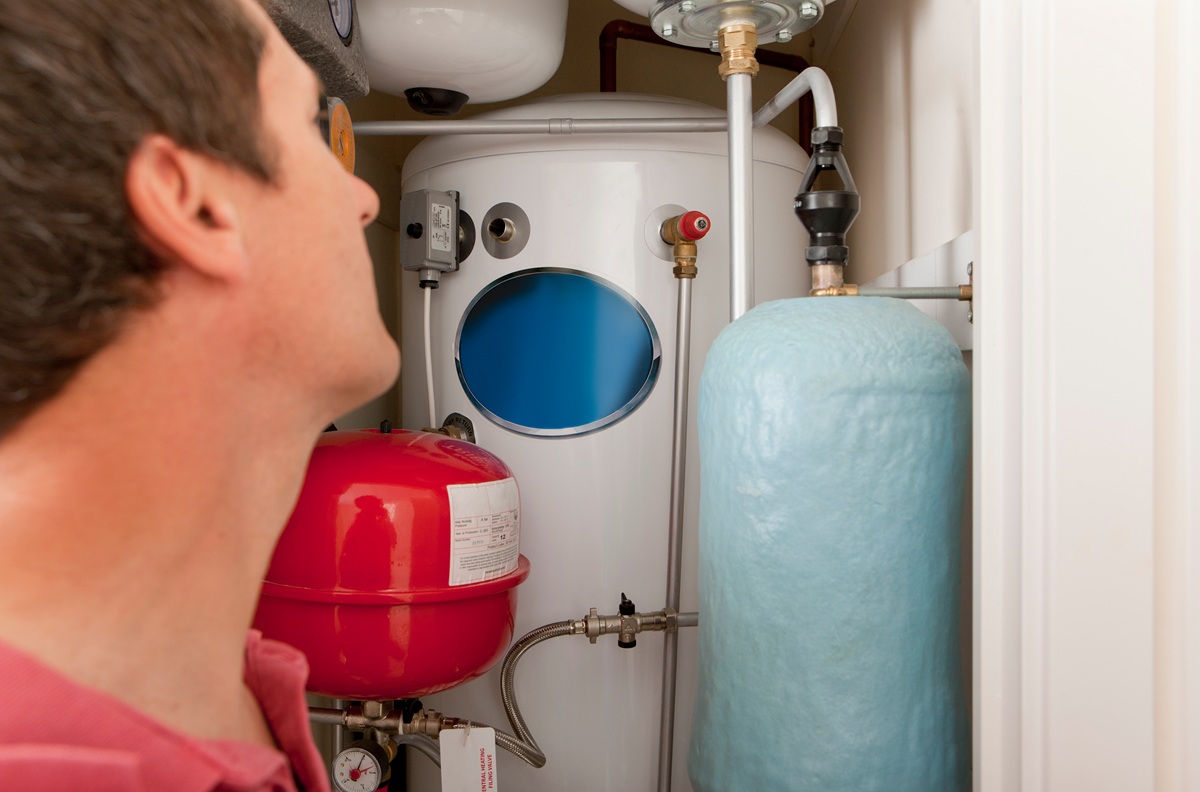
Can solar panels affect a four-point inspection?
A four-point inspection generally evaluates the roof, electrical, plumbing, and HVAC systems. Solar equipment may be relevant when it affects the condition or safety of the roof or electrical system, but requirements vary by insurer.
Can I get homeowners insurance if my current company declines my solar panels?
You may have options with other carriers. Acceptance is not guaranteed, and eligibility depends on the property and the insurer’s underwriting requirements.
Looking for Homeowners Insurance in Florida With Solar Panels?
Having solar panels doesn’t automatically mean you cannot obtain homeowners insurance.
However, some insurance companies may not accept certain solar panel installations, making it important to understand your available options.
At HomeInsuranceFlorida.com, we help Florida homeowners explore insurance options from multiple carriers based on their property’s characteristics and insurance needs.
Whether you’re planning to install solar panels, purchasing a home with an existing system, or reviewing your current policy, we can help you explore available options.
Visit HomeInsuranceFlorida.com to get started.
Insurance availability, eligibility, premiums, coverage, exclusions, and underwriting requirements vary by carrier and policy. This article is for general educational purposes and does not guarantee coverage or acceptance by any insurance company.