
Federal Pacific Electrical Panels and Home Insurance in Florida
If you own an older Florida home, the type of electrical panel in the property can affect your homeowners insurance options. One panel that frequently

If you are facing non-renewal, comparing premiums, or purchasing a home, an independent Florida insurance agent can help you review available options. Call us or use the online form to request a quote. Carrier eligibility and underwriting apply.
Florida homeowners can review policy options for risks such as wind, fire, theft, and liability. A policy’s limits, deductibles, exclusions, and conditions determine what it may cover. Discuss separate flood insurance with your agent.
Compare available options using your home’s roof, construction, occupancy, and inspection details. Ask an agent to explain any exclusions, optional endorsements, and application requirements before you choose an option.

HomeInsuranceFlorida.com helps Florida homeowners compare options through participating carriers. An independent agent can review your property details and explain available limits, deductibles, exclusions, and premiums.
Availability and pricing depend on carrier eligibility, underwriting, inspections, and policy terms. Discuss your property’s use and any separate flood insurance needs before selecting an option.
Ask an agent to explain the coverage sections in each available policy. Limits, deductibles, exclusions, conditions, and any endorsements affect how coverage applies.
Dwelling coverage may help with repair or rebuilding costs after a covered loss, subject to the policy’s limits, deductible, exclusions, and conditions. Review the home’s replacement-cost estimate and any settlement provisions with your agent.
Personal property coverage may apply to belongings after a covered loss. Review covered causes of loss, limits, deductibles, valuation terms, and any special limits for items such as jewelry or collectibles.
Water-damage coverage depends on the cause of the loss and the policy’s exclusions and conditions. Standard homeowners policies generally exclude flood damage. Discuss separate flood insurance and any water-damage limitations with your agent.
Additional living expense coverage may help with eligible increased living costs if a covered loss makes the home uninhabitable. Policy limits, time limits, exclusions, and other conditions apply.
Personal liability coverage may apply to certain claims for bodily injury or property damage for which an insured is legally responsible. Review limits, exclusions, defense provisions, and any separate medical-payments coverage with your agent.
We help homeowners review options available through participating carriers. Your agent can explain available coverage, limits, deductibles, exclusions, and the information needed for an application.
Tell your agent whether the property is a primary residence, vacation home, or rental. Carrier eligibility, underwriting, inspections, and policy terms apply; a quote request does not bind coverage.


HomeInsuranceFlorida.com helps homeowners review available options through participating carriers. See our service areas for location information. An agent can review your property details and explain the options currently available.
Compare available limits, deductibles, exclusions, endorsements, and premiums with your agent. Carrier eligibility, underwriting, inspections, and policy terms apply.
Review your property’s location, construction, occupancy, and inspection information with an agent. Ask how these details affect available options and policy terms.
Ask whether the available policy includes or excludes windstorm coverage and whether a separate hurricane deductible applies. Review the actual policy terms and any need for separate wind or flood insurance.
Location, coastal exposure, elevation, and flood information may affect available options and pricing. Discuss your property’s details and separate flood insurance needs with an agent.
Ask whether ordinance or law coverage is available and review its limits, exclusions, and conditions. This coverage may address certain increased rebuilding costs associated with applicable codes after a covered loss.
Carriers may consider a roof’s age, materials, condition, and inspection results when evaluating a property. Provide current information and ask about any roof-related eligibility or policy restrictions.
Carrier availability can vary by property, location, and underwriting guidelines. An independent agent can help you review options currently available through participating carriers; availability is not guaranteed.
We explain available policy options in plain language and invite questions about limits, deductibles, exclusions, and conditions. Tell your agent about the home’s location, construction, roof, and use.
Review the terms before choosing an option. Eligibility, inspections, underwriting, and the carrier’s acceptance determine whether coverage can be issued.
An independent Florida insurance agent can help you compare available options and explain the terms. Share your property information and ask about carrier eligibility, inspections, deductibles, exclusions, and separate flood insurance.
Share your home’s details, use, roof information, and insurance questions. An agent can explain available options and any additional information participating carriers need.
Review available policy options, limits, deductibles, exclusions, and premiums with an agent before selecting an option. Options depend on carrier eligibility and underwriting.
After you choose an available option, an agent can assist with the application. A quote or application does not bind coverage. Confirm acceptance and the coverage effective date with your agent or carrier.
Contact your agent with policy questions or changes to your home or occupancy. Changes are subject to carrier review and policy terms. Direct claims and loss questions to your insurance carrier.
HomeInsuranceFlorida.com helps Florida homeowners review options available through participating carriers. An independent agent can explain coverage choices, limits, deductibles, exclusions, and premiums.
Share current property and inspection information so available options can be reviewed. Carrier eligibility, underwriting, and policy terms apply.
Whether you’re looking for coverage in a specific region or exploring your options statewide, view all service areas to find your county and get started.
Ask an agent about the available options, policy terms, and application requirements so you can make an informed decision.
Discuss your property’s wind exposure, flood exposure, roof, construction, and occupancy with an independent Florida insurance agent. Ask which options are available through participating carriers.
We explain available limits, deductibles, exclusions, and conditions in plain language. Review the policy documents and ask questions before choosing an option.
Compare the premiums and terms of options available for your property. Pricing depends on the carrier, property details, selected coverage, and underwriting; savings are not guaranteed.
Review covered causes of loss, exclusions, limits, and deductibles before selecting an option. Discuss separate flood insurance and any other coverage needs with your agent.
Share your property’s details and insurance priorities with your agent. Available options depend on carrier eligibility, underwriting, inspections, and policy terms.
Buying a home, renovating, changing occupancy, or purchasing another property may affect your insurance needs. Tell your agent about these changes and ask which options are available.
An agent can explain limits, deductibles, exclusions, and application requirements. Policy changes and new coverage are subject to carrier approval and confirmed effective dates.
Review available limits, deductibles, exclusions, and endorsements with an agent before choosing a policy. Eligibility and terms vary by carrier and property.
Before shopping for quotes, collect your home’s details. Year built, square footage, number of bedrooms, roof age, and construction type all influence pricing. Information about any recent upgrades (new roof, updated electrical system, hurricane-resistant windows) is valuable. Your property tax information or recent home appraisal can provide reference points.
Review the home’s estimated rebuilding cost and the available dwelling limits with an agent. Ask about other structures, personal property limits, valuation terms, and any special limits. A replacement-cost estimate does not guarantee that all rebuilding costs will be paid.
Review each available deductible, including any separate hurricane deductible. Compare its potential out-of-pocket cost and effect on the quoted premium before choosing an option.
Compare the options available for your property through participating carriers. Review limits, deductibles, exclusions, endorsements, valuation terms, and premiums rather than comparing price alone.
Take time to understand the policy you’re considering. Ask about exclusions, limitations, optional coverages, and endorsements so you know how your coverage is structured and where additional protection may be available.
Coverage options and pricing in Florida vary by region. Find your county to see how local factors may affect your insurance.
HomeInsuranceFlorida.com helps homeowners compare options available through participating carriers. We explain available limits, deductibles, exclusions, premiums, and application requirements in plain language.
Ask questions before choosing an option and tell your agent about changes to the property. Eligibility, underwriting, inspections, and policy terms apply. Contact your carrier directly for claims and loss questions.
If you own an older Florida home, the type of electrical panel in the property can affect your homeowners insurance options. One panel that frequently
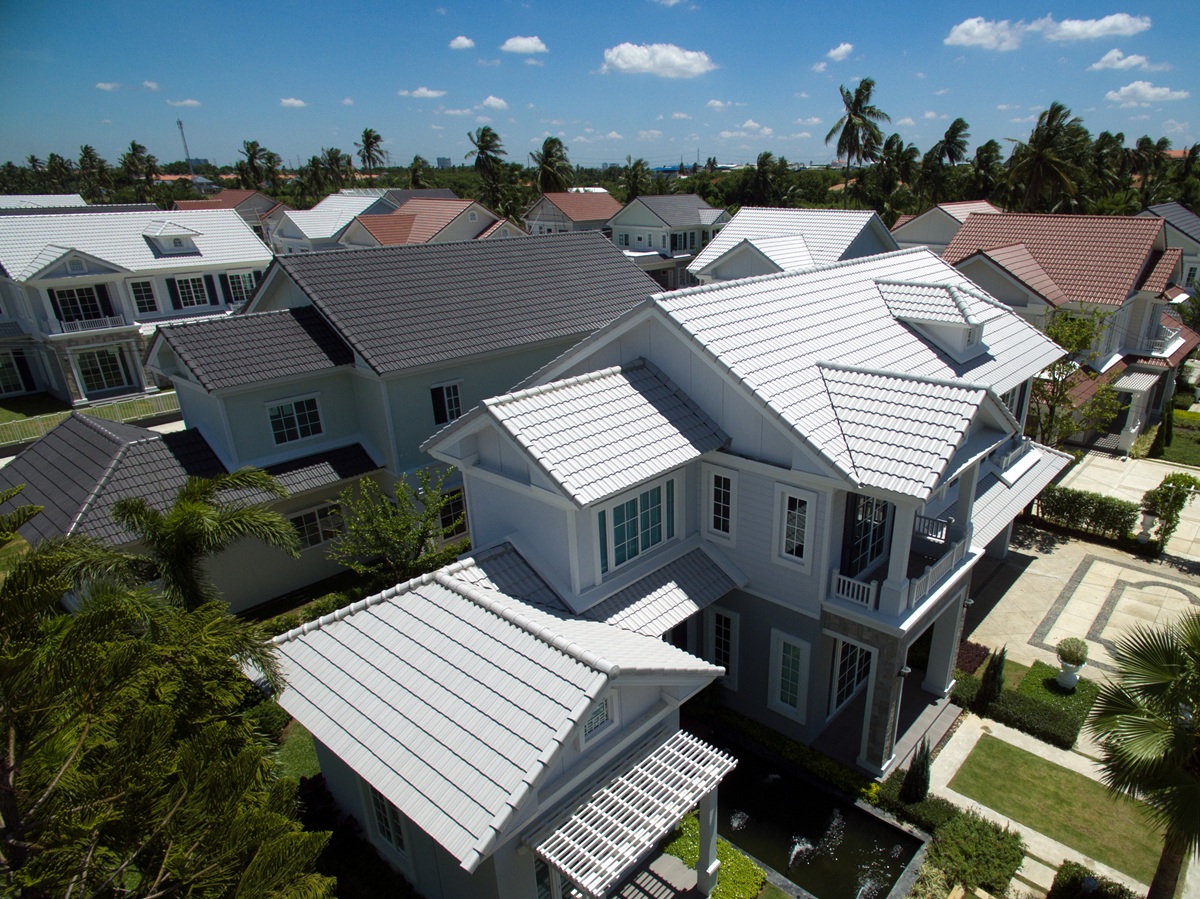
When shopping for homeowners insurance in Florida, the age of your roof can be an important part of the application. But how does an insurance

A swimming pool or hot tub can be a great feature of a Florida home, but it can also be something an insurance company considers
Review the home’s roof, construction, occupancy, and inspection information with an independent Florida insurance agent. Available options depend on property details, carrier eligibility, underwriting, and policy terms.
Review your Florida property's roof, construction, occupancy, and inspection information with an independent Florida insurance agent. Compare options available through participating carriers, subject to eligibility, underwriting, and policy terms.
An independent Florida insurance agent can explain available policy options, limits, deductibles, exclusions, endorsements, and underwriting requirements. Review the actual policy terms before you choose an option; the issuing insurer determines acceptance.
Compare the premiums and policy terms of options available through participating carriers. Review limits, deductibles, exclusions, and underwriting requirements before choosing an option.
An independent Florida insurance agent can assist with policy questions, renewal reviews, and requests for updates. Changes and renewals remain subject to carrier review, eligibility, and policy terms.
Eligibility depends on each carrier’s underwriting guidelines and the property information provided. Discuss your circumstances with an agent to review available options; a quote or coverage is not guaranteed.
For claims-related questions, contact your insurance carrier directly.
Use the online form or call to request a quote. Share current property, roof, occupancy, and inspection information. An agent can review options available through participating carriers; eligibility and underwriting apply.
Homeowners policies may provide dwelling, belongings, liability, and additional living expense coverage for covered losses. Limits, deductibles, exclusions, settlement provisions, and other conditions vary. Discuss separate flood insurance with your agent.
Ask your mortgage lender about its insurance requirements, including any flood-insurance requirements. Discuss applicable requirements and available coverage with your agent before choosing a policy.
Compare the limits, deductibles, exclusions, endorsements, valuation terms, and premiums of options available for your property. Ask an agent to explain any material differences before choosing an option.
Premiums depend on the home’s location, rebuilding-cost estimate, roof, construction, occupancy, inspections, selected policy terms, and carrier rating rules. Request a property-specific quote and compare actual premiums, limits, deductibles, and exclusions.
Review the policy’s dwelling, other structures, personal property, liability, and additional living expense provisions. Covered losses, limits, deductibles, exclusions, and conditions vary. Discuss separate flood insurance and optional endorsements.
Replacement-cost and actual-cash-value provisions use different settlement methods. Depreciation, limits, deductibles, and replacement conditions may affect payment. Ask an agent to explain the actual policy wording rather than assuming full replacement will be paid.
Compare premiums alongside limits, deductibles, exclusions, and other terms. Prices and eligibility vary by carrier and property; the lowest premium may involve different coverage or out-of-pocket costs.
Compare options available for your property and review their limits, deductibles, exclusions, endorsements, valuation terms, and premiums with an agent. Carrier eligibility and underwriting apply.
An independent Florida insurance agent can help you compare options available through participating carriers. Review coverage terms and pricing before selecting an option; no insurer is the best choice for every property.
Review a current rebuilding-cost estimate, available coverage limits, and your property’s use with an agent. Discuss personal property, liability, additional living expenses, separate flood insurance, and any lender requirements. Policy limits and settlement terms apply.
Dwelling coverage concerns the insured home’s structure, while personal property coverage concerns eligible belongings. Both depend on covered causes of loss, limits, deductibles, valuation terms, exclusions, and other policy conditions.
Ask which discounts a participating carrier offers for your property and what documentation is required. Eligibility, inspections, and underwriting apply; discounts and premium savings are not guaranteed.
Carriers may consider location, construction, roof information, occupancy, inspections, coverage selections, deductibles, and other underwriting information. Ask an agent how the available quote was developed and discuss separate flood insurance.
Ask an agent to review available deductibles, coverage choices, property updates, and any documented discounts. Compare the effect on coverage and out-of-pocket costs. Eligibility and premium savings are not guaranteed.
Review the new carrier’s acceptance, policy terms, and confirmed effective date before arranging cancellation of an existing policy. Ask your agent, carriers, and lender about any requirements so a gap in coverage can be avoided.
Coverage for storm, fire, wind, or other disaster losses depends on the policy’s covered causes of loss, exclusions, deductibles, limits, and conditions. Standard homeowners policies generally exclude flood damage. Discuss separate flood insurance and any wind exclusions with your agent.
Review available coverage limits, deductibles, exclusions, endorsements, valuation terms, and premiums. Confirm eligibility, application requirements, any inspections, and the coverage effective date before relying on a policy.
Contact your agent or carrier to request a coverage change. Changes may require underwriting review, additional premium, or documentation. Confirm approval, the revised terms, and the effective date.
Contact your carrier or billing provider promptly about a missed payment and review any notices. Do not assume a grace period or continuing coverage. Ask about the policy’s current status and any available payment or reinstatement options.
Review any special limits, exclusions, and valuation terms for jewelry, art, collectibles, and other valuable belongings. Ask whether scheduled coverage or another option is available and what documentation is required.
Read the actual policy’s exclusions and conditions. Flood, earth movement, wear, maintenance issues, or other causes may be excluded or limited. Ask an agent to explain the available policy and any separate insurance options.
Review the policy with your agent at renewal and when the property, belongings, construction, or occupancy changes. Ask whether updated limits or endorsements are available; changes remain subject to carrier review.
The information needed for a home insurance quote includes your property’s address, type of residence, details about the home’s construction, Inspections, safety features, and any additional coverage requirements.
Discuss your property’s flood exposure, available NFIP or private flood options, and any applicable lender requirements with an agent. Standard homeowners policies generally exclude flood damage; separate flood policies have their own eligibility, limits, exclusions, and effective dates.
Review the deductibles available for your property, including any separate hurricane deductible. Compare the potential out-of-pocket cost and effect on premium, and choose an option you could manage after a covered loss.
Different companies assess risk differently, have different operational costs, and serve different market segments. Always compare quotes.

Use this form to request a quote or ask an insurance question. An agent can review options available for your property; eligibility, underwriting, and policy terms apply.
A quote request does not bind coverage. Confirm any coverage and its effective date with your agent or carrier.

Request a homeowners insurance quote for your property. An independent Florida insurance agent can explain available limits, deductibles, exclusions, and premiums. Carrier eligibility and underwriting apply.
Enter your signature below
Enter your signature below