Smoke detectors are the overlooked and often uncredited savior of countless people in house fires. Admittedly, their ear-splitting screech when you’ve burnt a piece of toast can get annoying—as can their incessant beeping when their batteries are low—however, these devices are your home’s first line of defense against fires.
Working smoke alarms provide early warning. Guidance from the National Fire Protection Association explains their role in home fire safety. Below, we review how smoke alarms work and how to maintain them.
How does a smoke detector work?
Smoke alarms commonly use ionization or photoelectric sensing technology. Heat detectors respond to temperature and are a different type of fire detection device:
Ionization
Ionization smoke detectors are the most common in residential settings. They contain an ionization chamber that detects changes when smoke particles interrupt the ionization process, triggering the alarm. These detectors are simple and affordable but can be prone to false alarms from dust or cooking smoke. Despite this, they are a reliable first-line defense.
Heat
Heat detectors respond to temperature changes and should not be treated as substitutes for required smoke alarms. This makes them suitable for kitchens and other areas where smoke may not indicate a fire. However, their limited coverage area can be a drawback.
Photoelectric
Photoelectric smoke detectors activate when smoke disrupts a steady light beam, causing it to trigger a sensor. These detectors are particularly effective at sensing smoldering fires, such as those involving furniture. They are less likely to cause false alarms but tend to be more expensive.
That said, many modern smoke alarms combine these technologies to provide comprehensive coverage. Regardless of the type you choose, ensuring you have a working detector installed is key to a reliable fire safety strategy.
5 essential tips for maintaining your smoke detectors
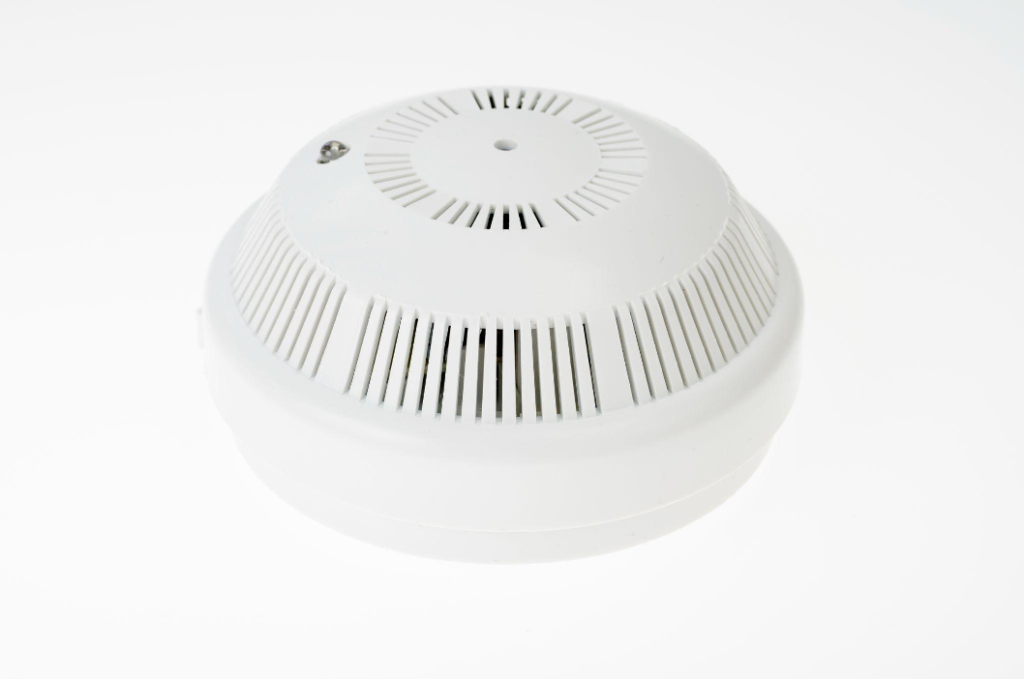
There’s little point in investing in a detector if you’re not going to take care of it properly. Yes, most of the time, their beeping will be an annoyance, however, you need to keep them healthy so they can give a life-saving head start in those hopefully rare instances when there’s a genuine fire hazard.
- Regular testing and maintenance
Test smoke alarms at least monthly using the test button, following the manufacturer’s instructions. A successful test does not guarantee the alarm will detect every fire. - Avoid tampering
No matter how irritating false alarms can be, tampering with smoke detectors can be life-threatening. Hotels often highlight severe penalties for tampering with detectors to emphasize their importance. - Battery replacement
Regular battery replacement is, of course, hugely important, even if your detector is hardwired with a battery backup. Replace removable batteries according to the manufacturer’s instructions and promptly when a low-battery warning sounds. For sealed batteries, follow the manufacturer’s instructions and replace the entire alarm when required. - Timely replacement
Check the manufacture date and replace smoke alarms at 10 years, or sooner if required by the manufacturer’s instructions or if the alarm fails testing. Follow the manufacturer’s replacement guidance for the specific alarm. - Cleaning and maintenance
Clean smoke alarms according to the manufacturer’s instructions. Where the manufacturer recommends it, use a vacuum’s soft brush attachment around the vents. Avoid cleaning methods that could damage the alarm.
Compare Homeowners Insurance Options in West Palm Beach
Smoke detectors are a reliable and relatively affordable way to stay safe and prepared, and help improve home safety, though smoke detectors cannot prevent every fire or loss. In the unfortunate event that your detector goes off and it’s not burnt toast that it’s whining about, you need to make sure you have the right home insurance in West Palm Beach to discuss which fire losses may be covered, subject to policy terms, limits, deductibles, and exclusions.
HomeInsuranceFlorida.com helps Florida homeowners explore options through an independent insurance agent working with multiple carriers. Coverage, pricing, and availability depend on carrier eligibility, underwriting guidelines, and policy terms.
We help you compare available homeowners insurance options, including premiums, coverage limits, deductibles, and exclusions. Eligibility, pricing, and available coverage vary by insurer and property. Contact us, and ask our agents about available West Palm Beach homeowners insurance quotes and policy terms.