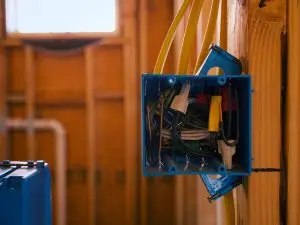
For a Florida home, review smoke-alarm placement in sleeping areas and on each level with a qualified fire-safety professional. Note whether alarms are battery-powered, hardwired, or interconnected, and keep track of testing and replacement dates. Follow the manufacturer’s instructions and applicable fire-safety guidance for your property.
Review the NFPA smoke alarm guidance for placement, testing, and maintenance information. Discuss questions about devices and installation with a qualified professional or your local fire department. For another home-safety consideration, see our guide to window security bars and emergency escape, including why emergency-release mechanisms matter.
How does a smoke detector work?
Smoke alarms commonly use ionization or photoelectric sensing, and some combine technologies. Heat detectors respond to temperature rather than smoke. The differences below can help you discuss appropriate devices and placement with your local fire authority:
Ionization
Ionization smoke alarms use a sensing chamber to detect smoke. Device features and installation instructions vary by model. Ask your local fire authority about suitable alarms and follow the manufacturer’s instructions.
Heat
Heat detectors, as the name suggests, respond to changes in temperature rather than smoke particles. They may be useful in locations such as garages where smoke alarms can be affected by fumes or dust. Heat detectors are not smoke detectors. Ask your local fire authority about appropriate devices and placement, and follow manufacturer instructions.
Photoelectric
Photoelectric smoke alarms use a light-based sensor to detect smoke. Review the manufacturer’s specifications, placement guidance, and maintenance instructions for your model, and ask your local fire authority about suitable alarms.
Ionization and photoelectric alarms respond to different fire conditions. Review U.S. Fire Administration guidance on using both types or dual-sensor alarms, and follow the manufacturer’s installation and maintenance instructions.
5 essential tips for maintaining your smoke detectors
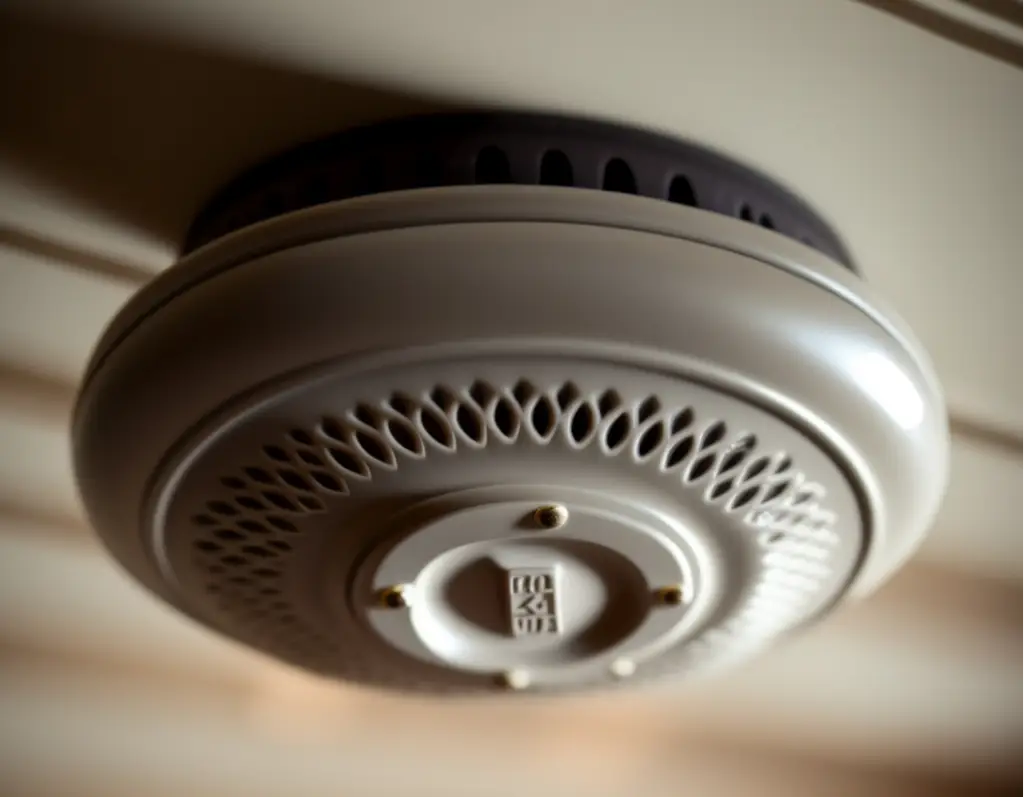
Learn the warning signals for each alarm and follow its testing and maintenance instructions. Do not disable an alarm because of nuisance signals; ask the manufacturer or a qualified professional about persistent problems.
- Regular testing and maintenance
Use the alarm’s test button monthly and follow the manufacturer’s instructions. A test confirms operation at that time; it does not guarantee detection of every fire. - Avoid tampering
No matter how irritating false alarms can be, tampering with smoke detectors can be life-threatening. Hotels often highlight severe penalties for tampering with detectors to emphasize their importance. - Battery replacement
Regular battery replacement is, of course, hugely important, even if your detector is hardwired with a battery backup. Replace user-replaceable batteries according to the manufacturer’s instructions. Sealed long-life alarm batteries are not designed to be replaced or recharged; replace the alarm when required by its instructions or end-of-life warning. Hardwired alarms may have replaceable backup batteries. - Timely replacement
Check the manufacture date and the manufacturer’s replacement instructions. Replace smoke alarms at 10 years or earlier when required by the manufacturer or a failed test. Replacement does not guarantee protection from every fire. - Cleaning and maintenance
Follow the manufacturer’s cleaning method and schedule. Do not assume one cleaning technique is suitable for every alarm or that cleaning guarantees detection.
Compare Available Insurance Quotes With Home Insurance Florida
Working smoke alarms are one part of home fire safety. Some insurers may also consider qualifying protective-device discounts; see our home insurance discounts guide for eligibility considerations. For additional information about how insurers may review older electrical equipment, see our guide to Federal Pacific electrical panels and insurance eligibility. Follow the manufacturer’s installation and maintenance instructions and plan household escape routes. An alarm does not prevent every fire or loss. Review the actual insurance policy’s limits, deductibles, exclusions, and conditions with your agent.
HomeInsuranceFlorida.com helps homeowners compare options through an independent Florida insurance agent working with multiple carriers.
Compare the premiums and terms of options available for your property. An independent Florida insurance agent can help you compare available options from multiple carriers, including policy limits, deductibles, exclusions, and endorsements. Coverage, pricing, and availability vary by carrier eligibility, underwriting, and policy terms. Contact Home Insurance Florida to discuss available options, subject to carrier eligibility, underwriting, and policy terms.